Journals
Psychological-Educational Studies

Counseling Psychology and Psychotherapy

Cultural-Historical Psychology
Social Psychology and Society
Experimental Psychology (Russia)

Journal of Modern Foreign Psychology
Clinical Psychology and Special Education
Psychology and Law
Autism and Developmental Disorders
Bulletin of Psychological Practice in Education
Language and Text

Modelling and Data Analysis
Social Sciences and Childhood

Extreme Psychology and Personal Safety

Vestnik of Saint Petersburg University. Psychology

Consortium Psychiatricum
News
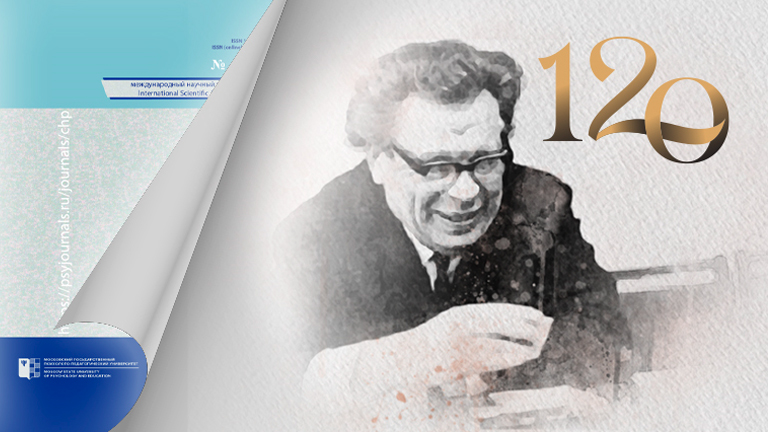
To the 120th Anniversary of D.B. Elkonin: the New Issue of the “Cultural-Historical Psychology” Journal
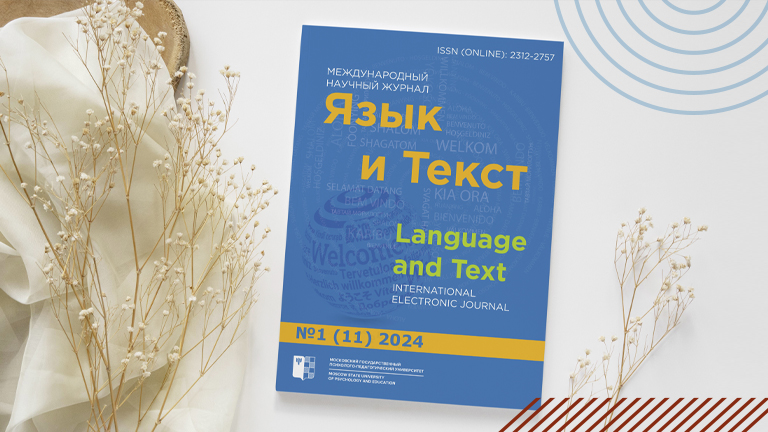
The Gaucho Archetype in Latin American Literature and Vladimir Monomakh's Role in the Development of Ancient Russian Literature in the Journal "Language and Text"

Psychological Literacy, Well-Being and Life Satisfaction in the New Issue of the “Psychological Science and Education” Journal

The Journal of “Clinical Psychology and Special Education” is inviting authors to submit papers for publication in thematic issue in 2024

Call for papers Special issue "A Closer Look at the Applications and Implications of Positive Emotions in Second/Foreign Language Classrooms"

The Journal “Experimental Psychology (Russia)” Call for Papers in No. 3-2024
Editor's Choice
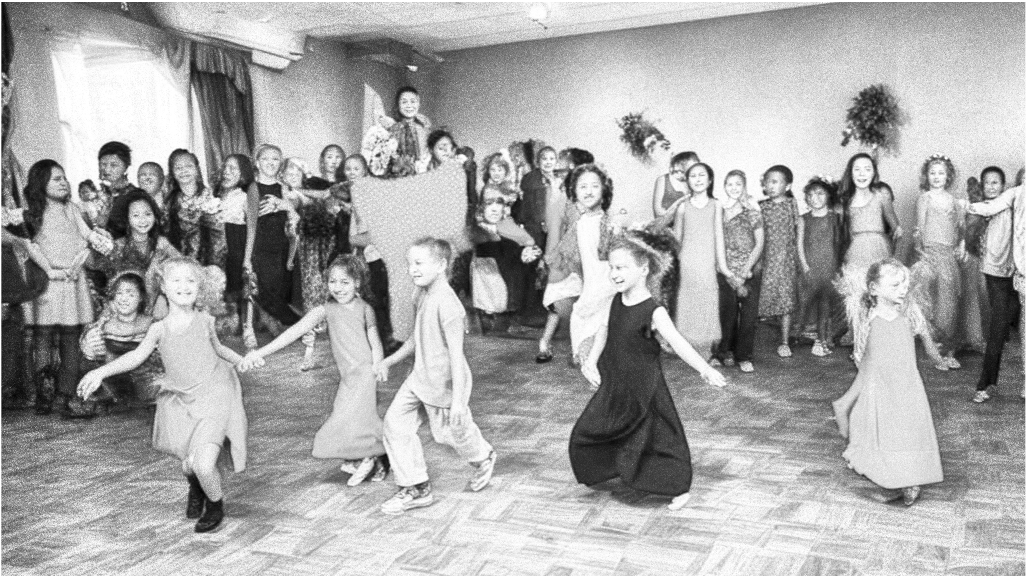
Cultural-Historical Approach to Preschoolers’ Dance Creativity: Problems and Solutions
The problems of the theory of dance creativity of preschoolers are analyzed from the standpoint of a cultural and historical approach. As methodological support for the analysis, we used the views of L.S. Vygotsky and his followers on children's artistic creativity, on the nature of dance and dance expressiveness, on the peculiarities of music in dance. Based on this, we analyzed three theoretical approaches to the development of dance creativity of preschoolers, and described their differences and partial mutual influences. The system of provisions of cultural and historical psychology as a methodological basis indicates ways to solve the problems of the theory of dance creativity of preschoolers, which should be figurative and meaningful, thanks to the development of the expressive language of dance, reflecting the features of the musical image and real events, relationships, experiences through the embodiment of different characters.

The Socio-Psychological Portrait of a Modern Student of Pedagogical Training
The article specifies the features of the professional activity of modern teachers; discusses the requirements that the profession imposes on the personality of a teacher; through the prism of content analysis of modern research, the socio-psychological characteristics of a modern student of pedagogical training are described; the factors and conditions for the formation of future teachers are highlighted. The relevance of this study is conditioned by the special attention that is paid to the training of future teachers within the framework of the Year of the Teacher and Mentor, announced by the Decree of the President of the Russian Federation Vladimir Putin in 2023, because modern students studying in pedagogical fields of training will one day become the mentors of the younger generation. Due to this, this study was undertaken. For this purpose, the methods of content analysis, descriptive statistics, comparison, synthesis were used. The research analyzes 235 scientific papers, the depth of scientific research was 11 years, and the sample was 45893 students of pedagogical specializations. The result of the analysis was a description of the socio-psychological portrait of a student studying in pedagogical fields of training.
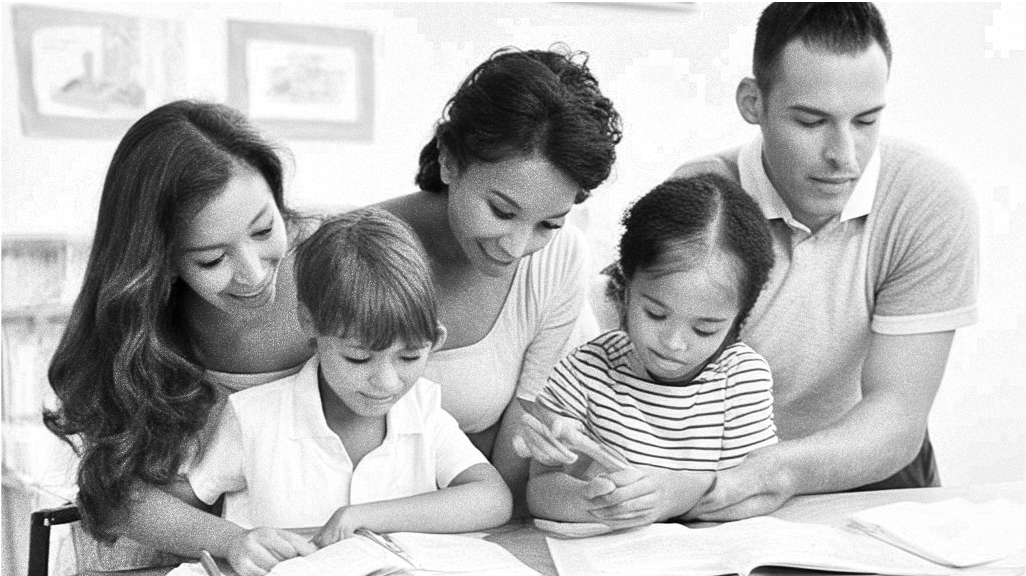
Functional Psychological Literacy of Parents and Teachers as a Condition of Effective Communication with a Child
The article provides a transcript of the speeches of the speakers of the Round Table "Functional psychological literacy of parents and teachers as a condition for building effective communication with a child", held at the Moscow State University of Psychological and Education on April 25, 2023. The Round Table addressed the problems of modern "psychology for life": the formation of functional psychological literacy of school teachers and parents in the sphere of communication and interaction with children. The speeches of the speakers of the Round Table were devoted to modern ideas about psychological literacy in psychology; approaches and researches in the field of formation of psychological literacy within the systems "teacher-pupil", "parent-child"; formation of functional psychological literacy of school teachers in communication with pupils; knowledge, skills, abilities of parents in interaction with a child; risk factors in the development of functional psychological literacy in communication and interaction with a child of parents and teachers in the sphere of communication and interaction with a child. Video recording of the speeches is given on the official video channel of PsyJournals.ru.