Introduction
Teacher social-emotional competence (SEC) refers to educators’ ability to regulate emotions and build constructive relationships with students, colleagues, and administrators (Jennings & Greenberg, 2009). Core competencies—including self-awareness, emotional regulation, social awareness, relationship skills, and responsible decision-making—are closely linked to teacher well-being, instructional quality, and student engagement (Schonert-Reichl, 2017; Kim et al., 2021). Research shows that SEC reduces stress, prevents burnout, and improves classroom management (Lozano-Peña et al., 2021; Oliveira et al., 2022; Zarra-Nezhad et al., 2023). Given that nearly half of new teachers leave the profession within five years, addressing SEC is vital for teacher retention and sustainable educational improvement (Soutter, 2023; ZENKI-DALIPI et al., 2024).
Social and emotional learning (SEL) interventions aimed at strengthening teacher SEC have gained momentum in recent years (Jennings et al., 2017; Schonert-Reichl, 2017). While most programs have traditionally focused on student outcomes, recent evidence highlights the parallel value of teacher-directed SEL in promoting resilience, job satisfaction, and retention (Oliveira et al., 2021; Carvalho et al., 2017; Firdos et al., 2024; Bardach et al., 2021; Zarra-Nezhad et al., 2023). Further, when these programs are tailored considering teacher sociodemographic, they yield better outcomes (Carbonero-Martín et al., 2022; Grazzani et al., 2024).
Despite its relevance, SEC is not consistently embedded in teacher preparation, which often prioritizes content knowledge over emotional and relational competencies (Markowitz, Bouffard, 2025). As a result, many educators enter the profession without the tools to manage emotional labor or navigate complex interpersonal demands, which can affect both well-being and classroom dynamics (Jennings, Greenberg, 2009).
To address this gap, SEC training must move beyond theory and offer practice-oriented, experiential learning that supports real-world application (Akelaitis et al., 2023; Hadar et al., 2020). This review critically examines teacher-focused SEL interventions, identifies factors that support their long-term use, and explores barriers to implementation in educational settings.
The importance of teacher SEC
The Prosocial Classroom Model by Jennings and Greenberg (2009) frames teacher SEC as central to student relationships, classroom climate, and academic outcomes. Research consistently shows that students’ social-emotional development is shaped by the emotional competence of their teachers.
Teachers with strong SEC foster engagement, reduce behavioral disruptions, and build emotionally supportive classrooms (Greenberg et al., 2003). By modeling empathy, regulation, and emotional intelligence, they enhance both student learning and well-being (Jennings, Greenberg, 2009; Schonert-Reichl, 2017; Kim et al., 2021; Jennings et al., 2017; Polou et al., 2022). SEC also strengthens collaboration and trust among educators, students, and peers (Xu, Pang, 2024). In contrast, low SEC is associated with stress, burnout, and reduced teaching effectiveness (Lozano-Peña et al., 2021; Collie, Perry, 2019; Bardach et al., 2021; Zarra-Nezhad et al., 2023).
With institutional support and regular professional development, SEC acts as a protective factor against burnout (Oliveira et al., 2021; Zarra-Nezhad et al., 2023). Teachers with well-developed SEC report lower emotional exhaustion, greater adaptability, and stronger career commitment (Firdos et al., 2024; Kim et al., 2021; Berg et al., 2021; Markowitz, Bouffard, 2025). Embedding SEC into both pre-service and in-service training is therefore essential to building teacher resilience and sustaining instructional quality (Xu, Pang, 2024).
Research gap and rationale
In today’s emotionally complex classrooms, teacher SEC is indispensable. Yet most SEL programs continue to prioritize student outcomes, offering limited direct support for teachers’ emotional development (Oliveira et al., 2022). Educator training often emphasizes subject knowledge over relational readiness, leaving teachers to manage stress and emotional demands without adequate institutional backing (Thierry et al., 2022; Hadar et al., 2020; Domitrovich et al., 2016). School culture that values teacher SEL encourages teacher motivation and program integration (ZENKI-DALIPI et al., 2024).
Although the link between SEC and teaching quality is well established, its integration into training remains uneven and often overlooked (Akelaitis et al., 2023; Markowitz, Bouffard, 2025). This is particularly concerning as teachers increasingly face emotional exhaustion, behavioral challenges, and rising workloads (Akelaitis et al., 2023; Dyson et al., 2023). While SEC-based interventions show promise in addressing these pressures, few models offer ecologically valid, context-specific approaches for educators (Oliveira et al., 2022; Lovett et al., 2024; Markowitz, Bouffard, 2025).
This review evaluates the design and impact of SEL programs targeting teachers. It identifies the factors that support sustainability and examines the institutional and structural barriers that influence implementation across school contexts. The conceptual framework guiding this review integrates definitions of SEC as the capacity to perceive, understand, and regulate emotions within social contexts (Cihan et al., 2024; Zheng, 2023). It situates teacher SEC as foundational to SEL program implementation, teacher well-being, and classroom dynamics (Jennings, Greenberg, 2009; Collie, 2017).
Materials and methods
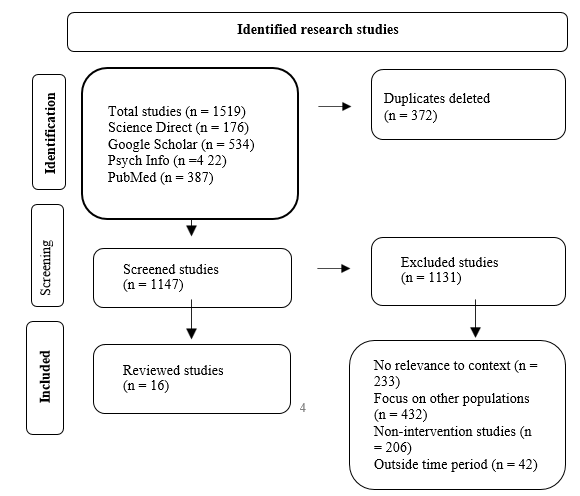
This systematic review followed PRISMA (Preferred Reporting Items for Systematic Reviews and Meta-Analyses) guidelines to ensure transparency and reproducibility. Between January 3 and 18, 2025, comprehensive searches were conducted in PubMed, ScienceDirect, PsycINFO, and Google Scholar using Boolean operators. Search terms included “social-emotional competence,” “teacher well-being,” “SEL interventions,” and “professional development programs.” The search targeted peer-reviewed, English-language studies published between 2012 and 2024, with filters applied to titles, abstracts, and keywords.
Inclusion and exclusion criteria
Studies were included if they examined SEC-related interventions or professional development programs for K–12 educators, including early childhood teachers, and reported measurable, teacher-specific outcomes. Studies were excluded if they focused exclusively on student outcomes, were not peer-reviewed (e.g., theses, editorials, grey literature), or were published in languages other than English.
Study selection
Following PRISMA procedures, all titles and abstracts were screened for relevance. Eligible records underwent full-text review using predefined inclusion criteria. Search strategies were adapted to the indexing systems of each database to optimize accuracy and coverage (see Figure).
Data extraction and synthesis
Included studies were independently reviewed. Duplicates and inaccessible records were removed. Full-text articles were assessed to extract data on participant demographics, intervention components, outcomes, and relevance to the review’s research questions. The synthesis addressed three guiding questions:
- How do teacher demographics influence the outcomes of SEC interventions?
- What factors contribute to the long-term sustainability of SEC programs?
- What barriers hinder the effective implementation of SEC interventions?
Results
The review’s findings have been distilled from a selection of studies that explored various dimensions of teacher social-emotional competencies (SEC) interventions. A detailed overview of the key results is provided in Table, while the subsequent discussion is structured around the main research questions that guided this investigation.
Table
Overview of study results
|
Study no |
Author / year / location |
Research design |
Explicit findings |
|
Talvio et al. (2013, Finland) |
Quasi-experimental design |
The teacher effectiveness training (TET) intervention improved teachers' SEL skills. Class teachers showed minor positive changes, but subject-matter teachers reported dissatisfaction in relationships with parents. |
|
|
Domitrovich et al. (2016, USA) |
Randomized controlled trial |
The PATHS to PAX program enhanced self-efficacy and personal accomplishment among elementary school teachers. The program demonstrated effectiveness in classroom management and teacher well-being. |
|
|
Talvio et al. (2016, Finland, Italy, Japan, Lithuania) |
Exploratory factor analysis |
Lions Quest (LQ) workshops improved teachers' perceptions of SEL goals and competence among teachers in Finland, Italy, Japan, and Lithuania. Teachers' attitudes towards SEL became more positive post-workshop. |
|
|
Jennings et al. (2017, USA) |
Cluster randomized trial |
The CARE program significantly improved teachers' mindfulness, emotion regulation, and psychological well-being. It also enhanced teacher-student interactions, leading to improved emotional support in classrooms. |
|
|
Jennings et al. (2019, USA) |
Randomized controlled trial |
Long-term findings showed the CARE program reduced psychological distress and improved emotion regulation, with sustained benefits observed a year post-intervention. |
|
|
Talvio et al. (2019, Argentina, Australia, Austria, Finland, Germany, Italy, Lithuania, Turkey, Japan) |
Multivariate mixed design |
Lions Quest (LQ) workshops improved teachers' SEL competence across nine countries. The intervention led to increased competence, knowledge application, and positive changes in SEL-related attitudes. |
|
|
Mihić et al. (2020, Croatia) |
Linear regression models |
The CARE program improved self-compassion and mindfulness among teachers, with cardiovascular health benefits. However, no significant reduction in burnout was observed. |
|
|
Lang et al. (2020, USA) |
Pre survey and post survey |
The SELF-T program enhanced teachers' knowledge of stress management and emotion regulation strategies. Teachers showed mixed responsiveness to children, but overall, the program supported early childhood educators. |
|
|
Kim et al. (2021, Canada) |
Mixed-methods study |
The MindUP program effectively reduced burnout and improved trauma-informed attitudes. Educators who implemented the program for two years showed the most improvement in self-efficacy and personal accomplishment. |
|
|
Berg et al. (2021, Italy, Latvia, Lithuania, Slovenia, Spain) |
Experimental project framework |
SEL training improved teachers' readiness for SEL implementation, particularly self-management skills. However, relationship skills showed a decline, indicating the need for further development. |
|
|
de Carvalho et al. (2021, Portugal) |
Randomized trial |
The mindfulness-based intervention improved emotional regulation and well-being among primary school teachers. Positive classroom behaviors were observed, benefiting both teachers and students. |
|
|
Oliveira et al. (2022, Portugal) |
Quasi-experimental |
The A+ intervention enhanced SEC among elementary teachers. Higher engagement correlated with better outcomes, emphasizing the importance of active participation. |
|
|
Fitzgerald et al. (2022, USA) |
Pre-post repeated measures |
The RISE program improved educators' SEC and well-being, reducing student-teacher conflicts. The program was feasible for diverse school settings. |
|
|
Polou et al. (2022, Greece) |
Quasi-experimental cluster design |
The PROMEHS program led to moderate improvements in SEL competencies for both teachers and students. Gains were observed in relationship skills and decision-making. |
|
|
Sandilos et al. (2023, USA) |
Quantitative Study |
The SEL CIP program improved classroom organization and emotional supportiveness among early elementary teachers. However, its impact on teacher-student interactions was not statistically significant. |
|
|
Ciucci et al. (2024, Italy) |
Quasi-experimental |
The ME4YOU program improved teachers' self-efficacy as emotional socializers and reduced emotional denial. Teachers reported enhanced authenticity in emotional expression. |
Demographic moderators of SEL
Impact social-emotional learning (SEL) interventions have been shown to improve teacher social-emotional competence (SEC) across diverse demographic profiles (Ciucci et al., 2024; Jennings et al., 2017; Oliveira et al., 2022). Outcomes are generally consistent across gender, with mindfulness-based approaches benefiting male and female educators alike (de Carvalho et al., 2021; Talvio et al., 2019). While earlier studies suggested gendered differences in SEL effectiveness, more recent findings indicate no significant disparities (Talvio et al., 2016). Age, teaching experience, and career stage appear to have limited influence on SEL outcomes. Both new and experienced teachers report similar improvements in emotional regulation and mindfulness, particularly when programs offer extended or repeated engagement (Domitrovich et al., 2016; Jennings et al., 2017; Kim et al., 2021). Cultural factors moderately shape program impact (Legette et al., 2021). In some regions, adaptations are required to align SEL content with local values (Berg et al., 2021; Lang et al., 2020). However, interventions such as Lions Quest have demonstrated cross-cultural effectiveness (Talvio et al., 2016). Teachers working with students facing behavioral or developmental challenges may experience more limited benefits, likely due to higher emotional demands (Domitrovich et al., 2016; Lang et al., 2020). Institutional environment also plays a critical role. Educators in supportive, well-resourced schools show stronger outcomes and lower burnout rates (Domitrovich et al., 2016; Oliveira et al., 2022; Talvio et al., 2019). Interestingly, teachers with higher academic qualifications sometimes report fewer gains, possibly due to elevated work demands (Lang et al., 2020). Voluntary participation tends to enhance engagement and openness, reinforcing the value of teacher agency in program uptake (Ciucci et al., 2024).
Sustainability enablers of SEC
The long-term effectiveness of teacher-directed SEL interventions depends on robust training and sustained support. Programs such as PATHS to PAX and RISE illustrate the importance of initial training paired with structured coaching, including goal setting and feedback via virtual observation, to improve teacher SEC over time (Domitrovich et al., 2016; Fitzgerald et al., 2022). Booster sessions further consolidate mindfulness practices and extend program benefits (de Carvalho et al., 2021). Experiential learning workshops that adhere to adult education principles allow teachers to apply strategies in real-world contexts, enhancing instructional self-efficacy (Kim et al., 2021; Talvio et al., 2019). Culturally responsive interventions—such as CARE and Lions Quest—demonstrate scalability across diverse educational settings (Mihić et al., 2020; Talvio et al., 2016, 2019). Programs incorporating fidelity monitoring and routine qualitative feedback are particularly effective in maintaining long-term gains (Fitzgerald et al., 2022; Oliveira et al., 2022; Sandilos et al., 2023). Facilitator expertise also proves critical. Those with strong pedagogical credentials and the ability to flexibly tailor instruction significantly enhance program integrity and participant engagement (Jennings et al., 2017, 2019; Oliveira et al., 2022). Institutional leadership, adequate funding, and a collaborative school climate are additional pillars of sustainability. Schools that provide financial support for facilitator training, substitute teachers, and implementation resources show stronger program adherence (Domitrovich et al., 2016; Oliveira et al., 2022; Talvio et al., 2019; Thierry et al., 2022). Finally, teacher motivation, openness to change, and reflective capacity strongly influence the quality and persistence of implementation (Domitrovich et al., 2016; Kim et al., 2021; Talvio et al., 2016).
Implementation barriers to SEL
Programs Despite their promise, SEL interventions often face substantial implementation challenges (Akelaitis et al., 2023; O’Brien et al., 2023; Dyson et al., 2023). Variability in coaching quality, inconsistent adherence to intervention protocols, and the complexity of local adaptation can undermine effectiveness (Domitrovich et al., 2016; Kim et al., 2021; Sandilos et al., 2023). Disruptions such as the COVID-19 pandemic have further limited success, as remote delivery and participant attrition weakened engagement and outcomes (Polou et al., 2022). Time constraints remain one of the most cited barriers. Teachers often struggle to integrate SEL with their instructional duties, administrative responsibilities, and parental communication demands (Domitrovich et al., 2016; Talvio et al., 2013, 2019). Furthermore, voluntary participation introduces self-selection bias, which limits the generalizability of findings (Ciucci et al., 2024; Jennings et al., 2017, 2019). Institutional limitations—such as weak leadership, inadequate funding, and lack of administrative support pose additional challenges (Ulla, Poom-Valickis, 2023). Schools without sufficient budget for facilitators, substitutes, and program materials are less likely to implement SEL interventions effectively (Jennings et al., 2019; Oliveira et al., 2022). A lack of longitudinal tracking impedes evaluation of sustained effectiveness. Overreliance on self-report instruments raises concerns about response bias, and digital delivery platforms often suffer from poor engagement analytics (Kim et al., 2021; Lang et al., 2020; Talvio et al., 2016). Teachers experiencing high levels of stress or burnout—or those confident in their existing competencies—may either disengage from SEL efforts or inaccurately assess their own progress (Berg et al., 2021; Domitrovich et al., 2016). Lastly, resistance stemming from perceived self-sufficiency in emotional competencies can hinder participation and undermine program effectiveness (Talvio et al., 2016).
Discussion
Comparison of SEL programs for teachers
Social-emotional learning (SEL) interventions such as teacher effectiveness training (TET) and CARE share foundational features—structured training, individualized coaching, and fidelity monitoring—that support the effective translation of theoretical principles into classroom practice. These components enhance educators’ emotional regulation, self-efficacy, and resilience (Domitrovich et al., 2016; Jennings et al., 2017, 2019; Talvio et al., 2013).
Despite shared goals, program delivery and adaptability vary. Digital platforms like A+ and SELF-T provide scalable solutions and were especially valuable during the COVID-19 pandemic; however, they require additional reinforcement mechanisms to ensure long-term impact (Domitrovich et al., 2016; Lang et al., 2020; Oliveira et al., 2022). In contrast, system-wide interventions such as RISE and PROMEHS embed SEL into school culture, integrating leadership and institutional support (Fitzgerald et al., 2022; Polou et al., 2022). Culturally adaptive models, including Lions Quest, retain core content while aligning delivery with local educational values, achieving effectiveness across diverse cultural contexts (Talvio et al., 2016, 2019).
Program sustainability depends heavily on post-intervention coaching, fidelity structures, and responsiveness to educators' specific needs and institutional contexts (de Carvalho et al., 2021; Oliveira et al., 2022; Lovett et al., 2024).
Critique of existing literature
While SEL interventions demonstrate positive outcomes, literature is constrained by methodological limitations. Most studies rely on self-report measures, which introduce subjectivity and response bias (Fitzgerald et al., 2022; Jennings et al., 2019; Mihić et al., 2020). Small sample sizes, voluntary participation, and absence of long-term follow-up further restrict external validity and the generalizability of findings (Jennings et al., 2017; Kim et al., 2021; Oliveira et al., 2022).
Several foundational studies lacked randomized control groups (Talvio et al., 2013, 2019), and the use of waitlist rather than active controls (de Carvalho et al., 2021) limits causal inference. Compounding this, timing of data collection and high teacher workload may have confounded outcomes (Berg et al., 2021; Lang et al., 2020). Future research must adopt more rigorous designs—featuring randomization, larger representative samples, mixed-method evaluations, and longitudinal data collection—to validate efficacy and isolate key mechanisms of change.
Policy and institutional recommendations
Integrating SEL into both pre-service training and ongoing professional development is essential to support teachers’ emotional resilience and instructional effectiveness (Jennings et al., 2017; Talvio et al., 2013, 2016). Implementation of fidelity depends on structured training with embedded coaching, ongoing feedback, and systematic progress monitoring (Domitrovich et al., 2016; Jennings et al., 2019; Sandilos et al., 2023; Cihan et al., 2024).
Sustainable adoption requires institutional commitment, stable funding, and cultural contextualization. Adequate resources—covering facilitator training, substitute staffing, and digital infrastructure—enable consistent program delivery (Lang et al., 2020; Oliveira et al., 2022). Leadership support and positive school climate are critical in facilitating SEC program success, influencing teacher engagement and program fidelity (Thierry et al., 2022; Lee, 2024; Ulla et al., 2023). Programs must also tailor interventions to fit socio-cultural dynamics to maximize educator engagement and relevance (Berg et al., 2021; Polou et al., 2022; Talvio et al., 2019). Interventions that incorporate mindfulness and trauma-informed care can substantially alleviate teacher stress and burnout (de Carvalho et al., 2021; Kim et al., 2021; Mihić et al., 2020). Finally, fostering collaborative, school-wide initiatives that involve administrators, parents, and teaching staff enhances resilience and supports systemic educational reform (Ciucci et al., 2024; Fitzgerald et al., 2022).
Conclusions
This review finds that SEL programs improve teachers’ emotional regulation, classroom climate, and instructional quality. However, scaling these benefits requires sustained institutional support, clearly defined policies, and structured professional development. Although the outcomes are promising, implementation is often hindered by limited resources, inconsistent delivery, and resistance from educators. Programs are more effective when they are culturally adapted, regularly monitored for fidelity, and evaluated using standardized tools.
Limitations
The review is based on sixteen peer-reviewed studies. It excludes non-English publications, grey literature, and research that does not report teacher-specific outcomes. These omissions may reduce the breadth and generalizability of the findings.
Future research
Larger and more diverse educator samples are needed to improve external validity. Combining classroom observations with self-report measures will help capture actual changes in teaching practices. Longitudinal studies are essential to determine whether improvements in social-emotional competence are sustained over time. Further research should also examine how cultural and institutional factors influence the success of SEL implementation across different contexts.