Introduction
The digital space has become integral to modern children's lives and development. As children increasingly engage with digital technologies and the proportion of children using them daily continues to rise (Veraksa et al., 2020; Kalabina, Progackaya, 2021; Nikolaeva, Isachenkova, 2022), nearly every study reports that children exceed the WHO-recommended screen time (Ljubomirović, Grujicic, 2019; Islam, Biswas, Khanam, 2020). At the same time, evidence is growing on both the positive and negative effects of digital technologies on child development (Nikolaeva et al., 2023).
These contradictory findings reflect the complexity of the field, which involves numerous interrelated factors. Further analysis is needed to determine where results converge, which interdisciplinary directions are emerging from new data, and where gaps or contradictions persist, signaling a need for further research. Bibliometric analysis is one tool well suited to this task. It enables the quantitative assessment of scientific communication, the identification of research trends, and the mapping of the research landscape (Rubtsov et al., 2019; Amalou, 2023). The aim of the present study was therefore to identify major trends in research on the psychological aspects of children's use of digital devices and to outline promising directions for future work.
Materials and methods
To achieve this aim, we applied bibliometric analysis methods to the OpenAlex scientific paper database and then constructed bibliometric maps using VOSviewer software. The OpenAlex platform was chosen for its openness, as it provides access to scientific publication metadata without commercial restrictions - an approach that aligns with the principles of open science (Priem et al., 2022). Because OpenAlex has no paid subscriptions and aggregates data from Crossref, PubMed, arXiv, MAG, and other sources, it enables the analysis of current research trends. VOSviewer, meanwhile, is widely used to identify and visualize relationships in academic publications, including co-authorship networks and terminological clusters (Williams, 2020).
The study employed bibliometric analysis of keywords and was aimed at identifying, systematizing, and substantively analyzing the most frequent terminological combinations and their contextual analysis within publications by specific authors and in scientific journals. Metadata analysis of scientific papers allows researchers to determine the thematic profile of a research field (Maltseva, 2020).
We searched OpenAlex using the query "children AND digital device" and then constructed keyword maps in VOSviewer based on the retrieved publications.
Results
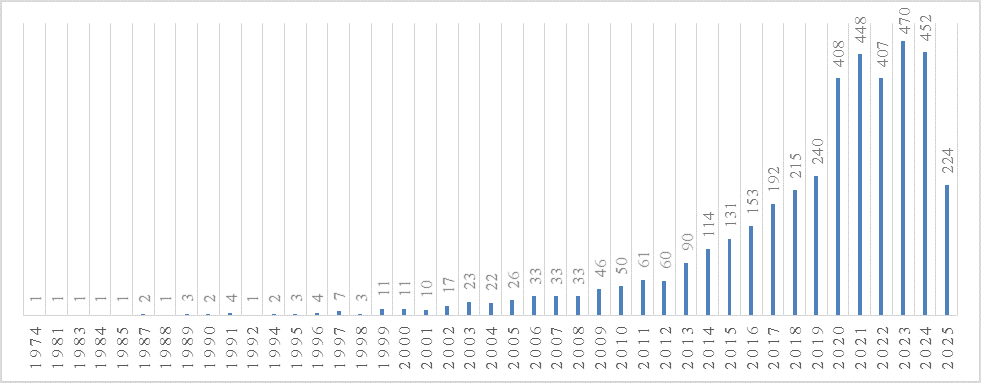
Our query returned 4,075 publications from OpenAlex, spanning the years 1957 to 2025. We then screened these sources to assess their relevance to our research topic. The final list included only those publications in which digital technologies or devices were used by or for children in the contexts of education, development, or health. Our inclusion criteria were: (a) participants or research focus – children under 18 years of age; and (b) nature of digital device or technology use – learning, communication, play, health management, or use as a diagnostic tool, rehabilitation aid, or means of monitoring a child's condition by professionals working with children. This process yielded a total of 4,017 publications, covering the period from 1974 to 2025. As shown in Fig. 1, studies were rare before the 2000s, with gradual growth in the following decade. The largest number of publications (2020–2024) coincides with the period when digital technologies became actively integrated into children's lives during and after the pandemic. Data for 2025 are incomplete, as the final retrieval was conducted on July 1, 2025.
According to OpenAlex algorithmic analysis, the publications cover 200 themes at the intersection of technology, health, education, information and communication technology, and social aspects – including digital competence, cybersecurity, and many others. Four leading research avenues emerged: child development and digital technologies (831 publications), teaching methods (118 publications), the impact of technologies on adolescents (100 publications), and ophthalmology and visual impairment (72 publications).
Then we constructed a keyword cluster map using VOSviewer (Fig. 2). To ensure the map was both representative and readable, we set a minimum keyword occurrence threshold of 15, which was determined empirically. Lower threshold values resulted in overcrowded maps that made it difficult to analyze and identify major trends, while higher values risked excluding important research directions. In total, 4,099 unique keywords were identified across the uploaded articles, of which 363 words met the occurrence threshold of 15.
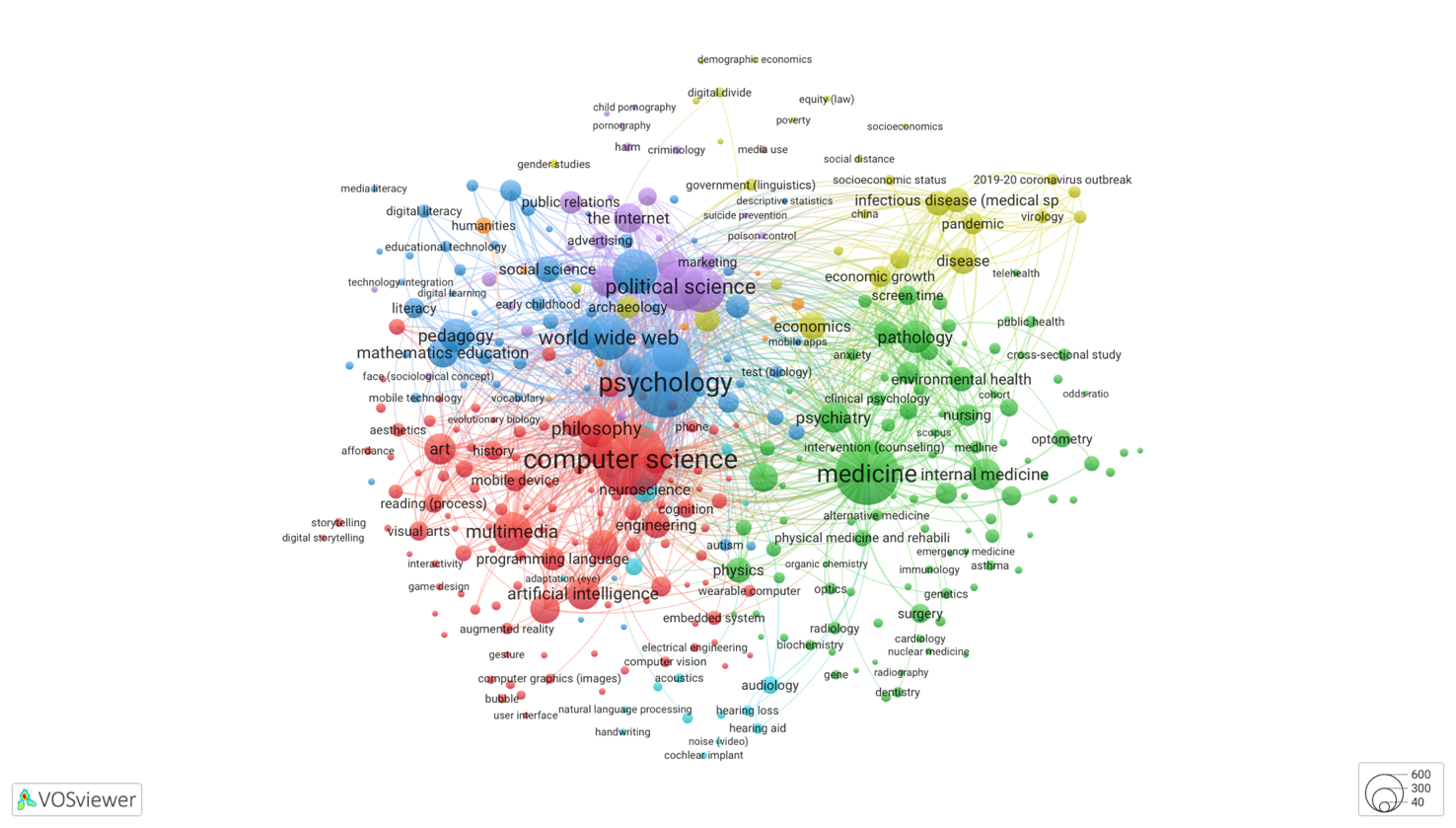
The platform's algorithmic analysis identified seven clusters that group terms according to scientific field. The largest cluster (110 terms) is associated with computer science and includes terms such as "artificial intelligence," "human-computer interaction," "multimedia," "computer security," and "machine learning." The second largest (107 terms) covers advanced medical research, including modern assistive devices for children with disabilities and digital healthcare. Its keywords feature "healthcare," "pathology," "psychiatry," "pediatrics," "clinical psychology," "obesity," "mental health," "ophthalmology," and "COVID-19." The third cluster (58 terms) brings together research on psychology and learning, focusing on the impact of technology on education. Key terms here are "psychology," "developmental psychology," "cognitive psychology," "education," "pedagogy," "literacy," "preschool education," "digital learning," "social networks," "neuroscience," and "communication." The fourth cluster (32 terms) reflects research on economic and social processes related to the impact of the pandemic and digitalization, with terms such as "economics," "demography," "economic growth," "political science," "inequality," "poverty," "pandemic," and "digital divide" among others.
The fifth cluster (27 terms) addresses legal and political aspects of modern technologies, including "public relations," "internet," "online privacy," "legislation," "pornography," and "harm." The sixth cluster (20 terms) has a narrowly specialized focus on interdisciplinary research into hearing, speech processes, and language technologies, covering both medical and technological aspects. Its keywords include, for instance, "acoustics," "linguistics," "communication," "audiology," "adaptation," "speech recognition," and "writing". Finally, the seventh cluster (9 terms) encompasses new and interdisciplinary research related to digital culture, with terms such as "gadget," "media use," "curiosity," "popularity," "addiction", etc.
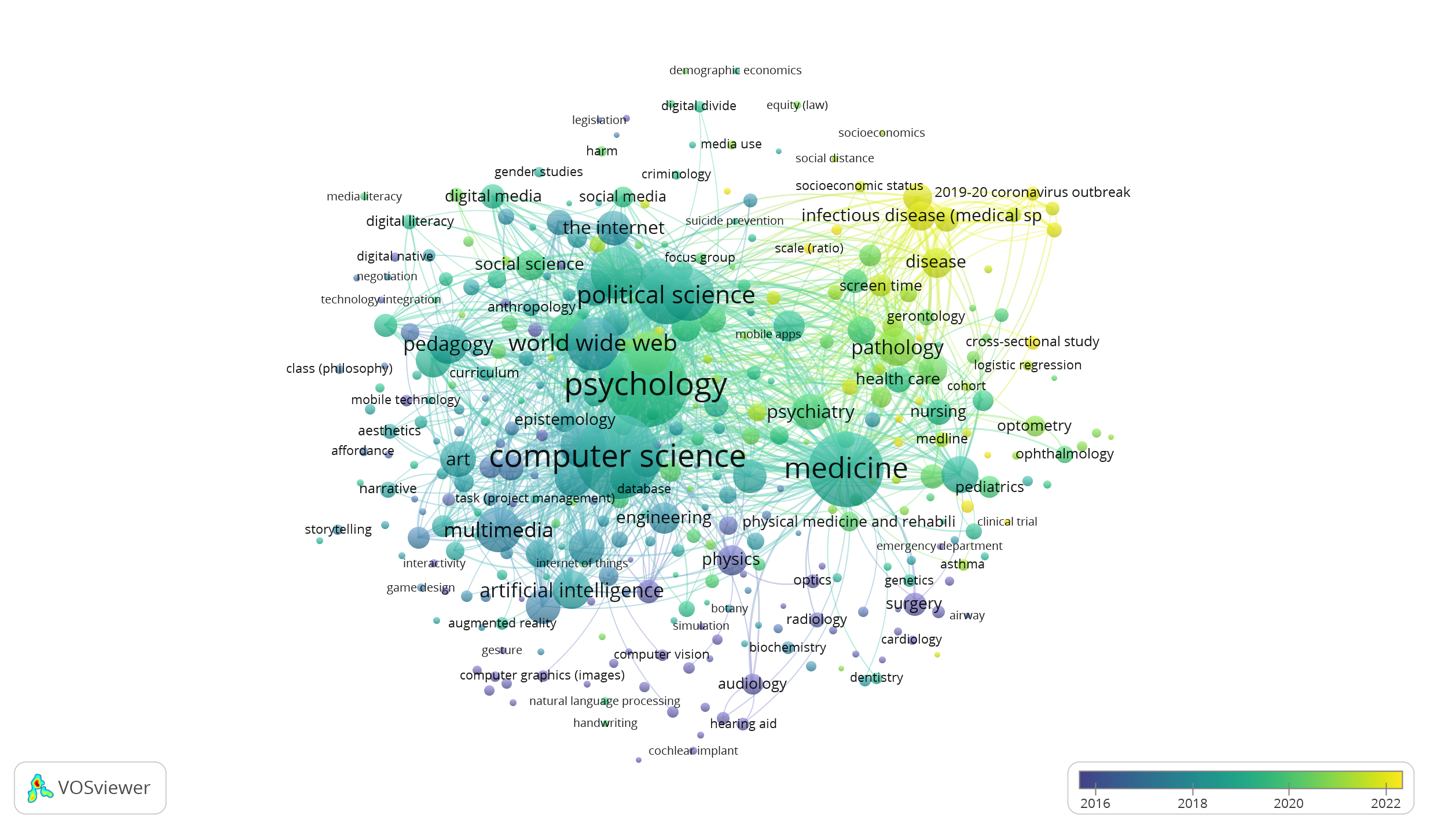
The temporal map of keyword clusters (Fig. 3) reveals a shift in thematic trends: from the study of social and educational aspects of children's technology use in 2017–2019 – a period of active technology development in education and communication – toward health-related research after 2020, driven by the COVID-19 pandemic and increased screen time.
Among all the identified clusters, the third one is of greatest interest to us, as it brings together research at the intersection of psychology, pedagogy, and digital technologies. Studies in this cluster focus on how the digital environment affects children's learning, development, and behavior. This cluster serves as a hub connecting the humanities and the exact sciences (Fig. 4). The most pronounced links are with the first cluster – research on digital technologies and education – and with the second cluster – which addresses mental health and neuroscience.
The connections of the core terminology of this cluster revolve around developmental psychology and pedagogy (Fig. 5). Within publications related to developmental psychology, the primary focus is on children's cognitive and emotional development in the digital age. The demand for this research area is reflected in an average citation rate of 10.37, despite the relatively recent nature of the work – the average publication year is 2020.66.
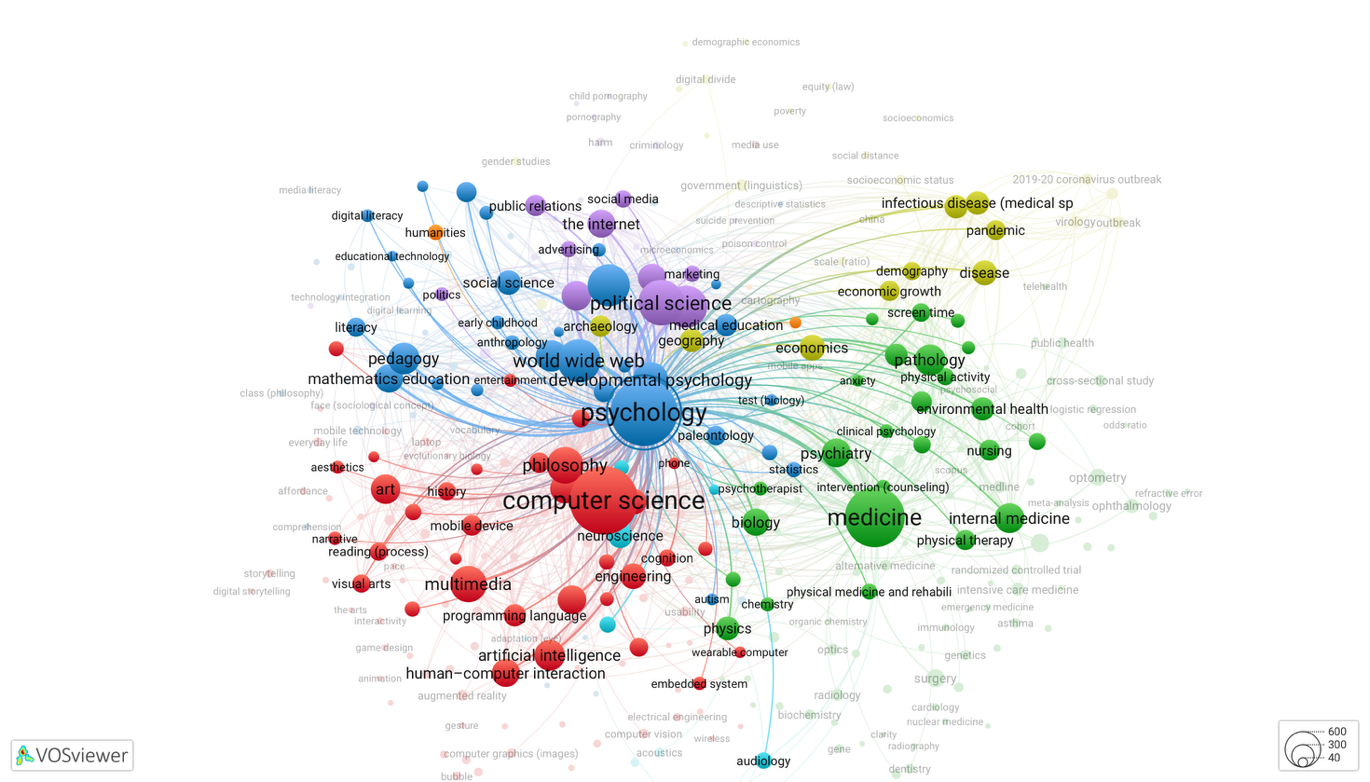
Fig. 5. Visualization of keyword relationships within interdisciplinary research on the psychological and pedagogical aspects of digitalization
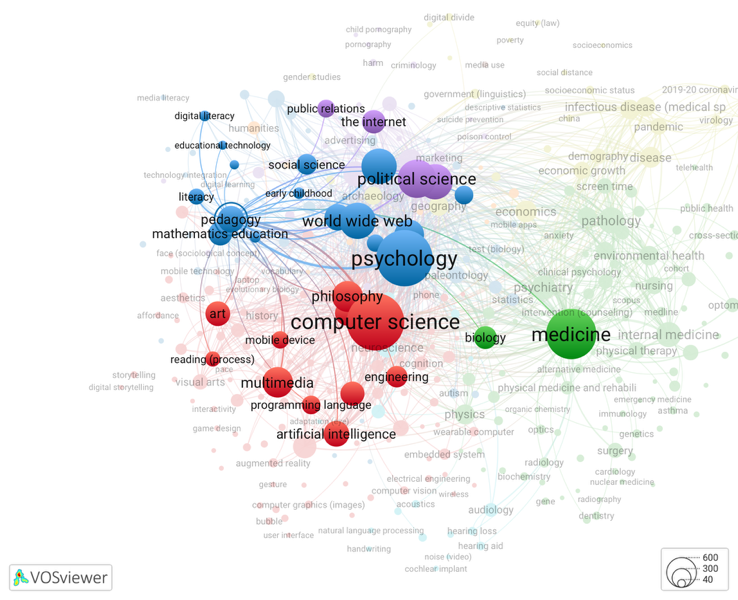
High interest is also reflected in the metrics for research on digital technologies in education and digital literacy, which have an average citation rate of 15.07.
Although the term "screen time" is traditionally associated with psychological and pedagogical research, in our retrieval results it was assigned to the medical research cluster. An analysis of the most cited publications containing this keyword showed a clear connection with the mental health cluster. Modern research views screen time not only as a pedagogical issue but also as a biomedical problem linked to neurological and emotional disorders, including sleep disturbances, increased risk of myopia, anxiety, depression, hyperactivity, and age-dependent medical recommendations for screen time limits (Lanca, Saw, 2020; Lanningham-Foster et al., 2006; Nagata, Magid, Gabriel, 2020).
Next, we analyzed the citation map. When constructing it, we set a citation threshold of 15, chosen as a compromise between broad coverage and selecting the most significant publications. This allowed us to identify papers that have had a substantial impact on the research field. In total, 616 articles met the threshold, of which 161 had connections (Fig. 6).
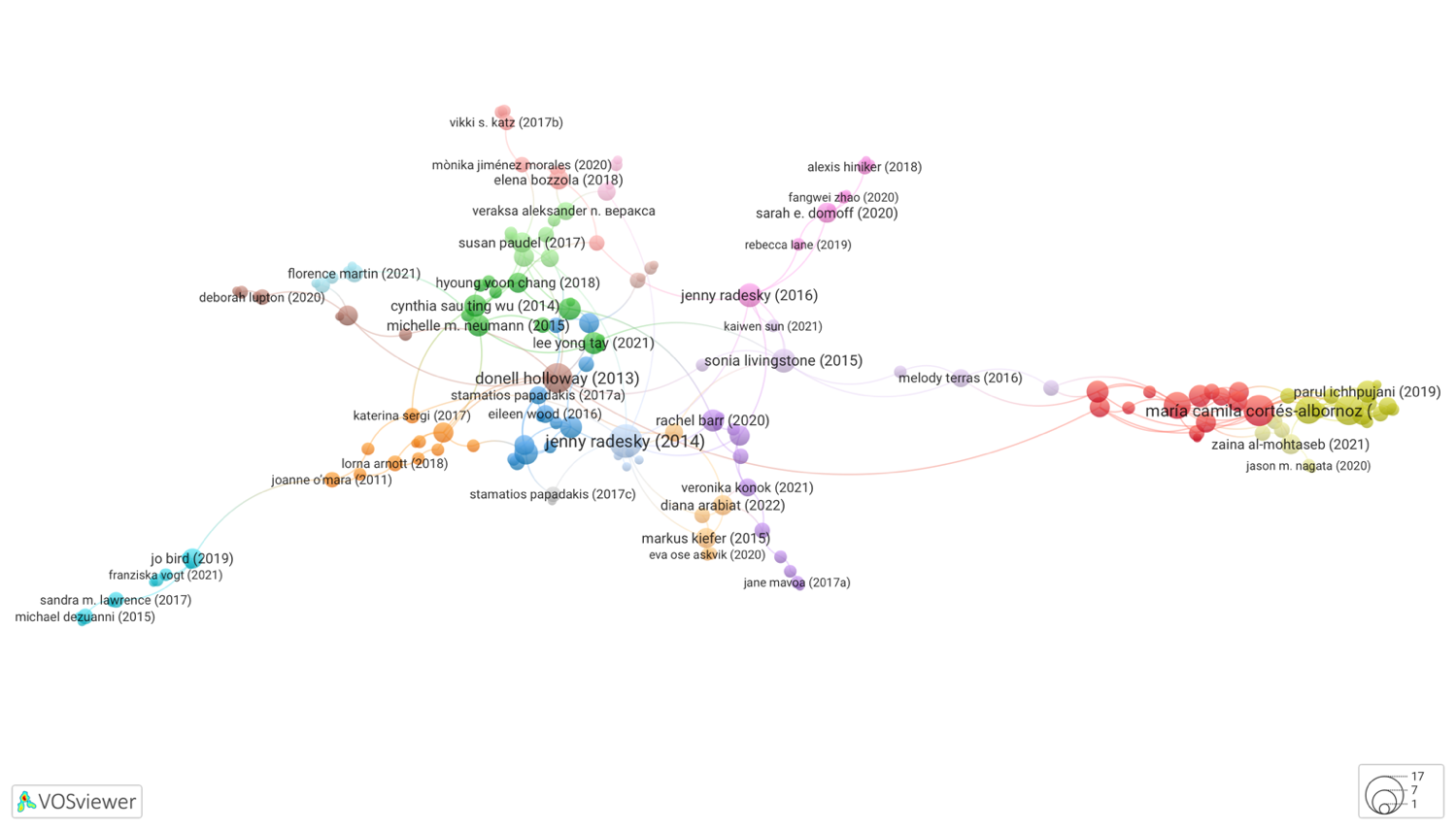
The main themes and trends emerging from the selected publications can be grouped into the following five areas:
- Impact of digital devices on children's mental development: digital addiction and effects on children's behavior (Domoff, Borgen, Radesky, 2020; Hawi, Samaha, Griffiths, 2019); social and emotional development (Cerniglia, Cimino, Ammaniti, 2020; Konok, 2021; Lai et al., 2028; Limon, Toto, 2021; Limon, Toto, 2022); and cognitive development and executive functions (Messer et al., 2018; Shanmugasundaram, Tamilarasu, 2023).
- Parental mediation and the role of the family in children's digital practices (Danet et al., 2022; Konok, Bunford, Miklósi, 2019; Radesky et al., 2016; Veraksa et al., 2021; Wood et al., 2016; Wu et al., 2014).
- Digital devices and technologies in children's education (Fleer, 2018; Lieberman, Bates, So, 2009; Papadakis, Kalogiannakis, 2017; Zaranis, Kalogiannakis, Papadakis, 2013).
- Health issues related to screen use (Alvarez-Peregina et al., 2020; Foreman et al., 2020; Lanca, Saw, 2020).
- Ethical aspects of children's use of digital devices and digital privacy (Lupton, Williamson, 2017; Martin et al., 2021; Sukk, Siibak, 2021; Zhao et al., 2020).
Among the most significant and most cited publications is the study by Radesky, Schumacher, and Zuckerman (2014) on the use of mobile and interactive media by young children.
This research field is characterized by a high degree of international collaboration (Fig. 7). A notable increase in Russian research has also been observed in recent years (Fig. 8). The most cited Russian studies on the impact of digital technologies on children's mental development belong precisely to the psychological and pedagogical research category and focus predominantly on development. (Veraksa et al., 2021a; Veraksa et al., 2021b; Smirnova, Smirnova, Sheina, 2021; Soldatova, Vishneva, 2019; Veraksa et al., 2021).
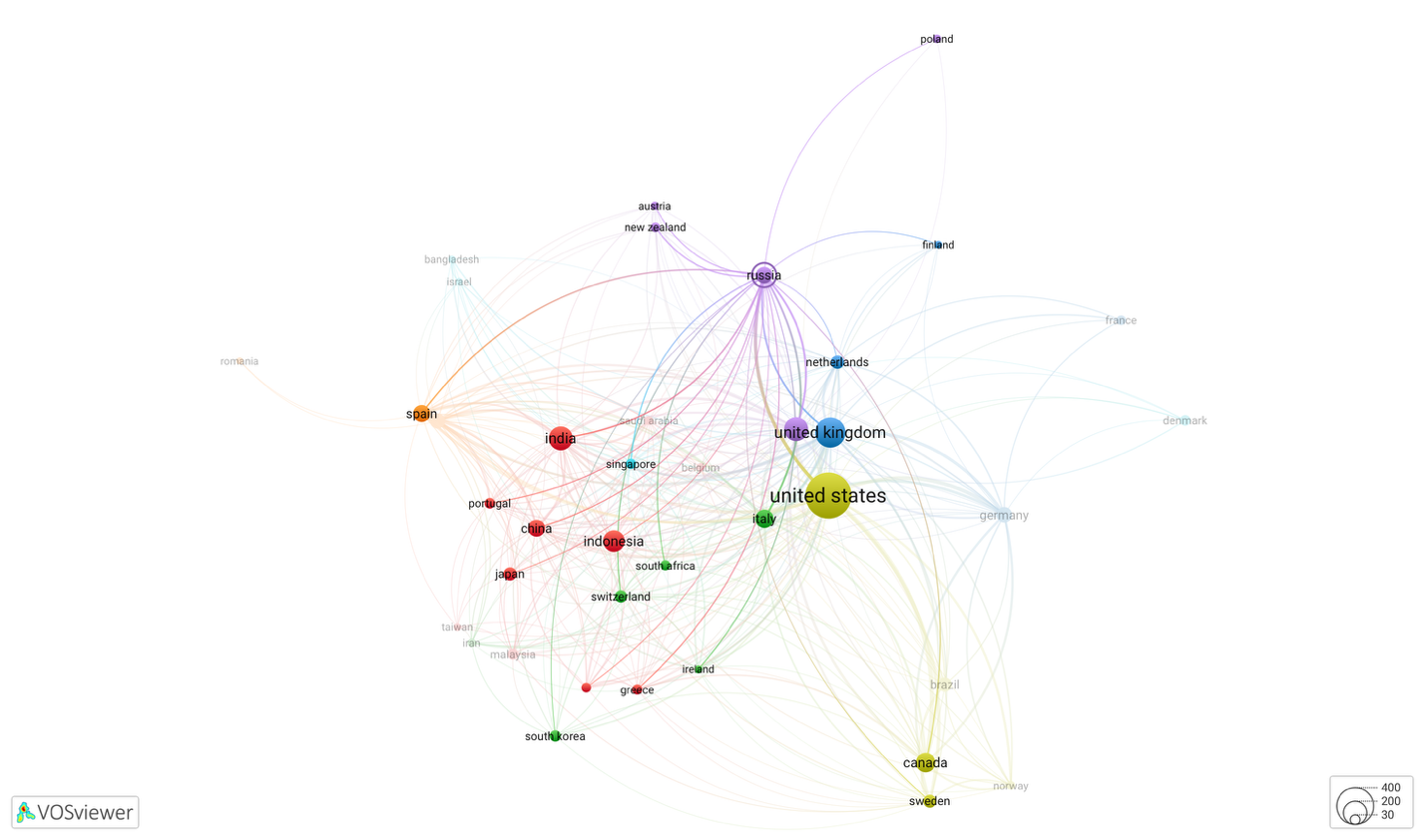
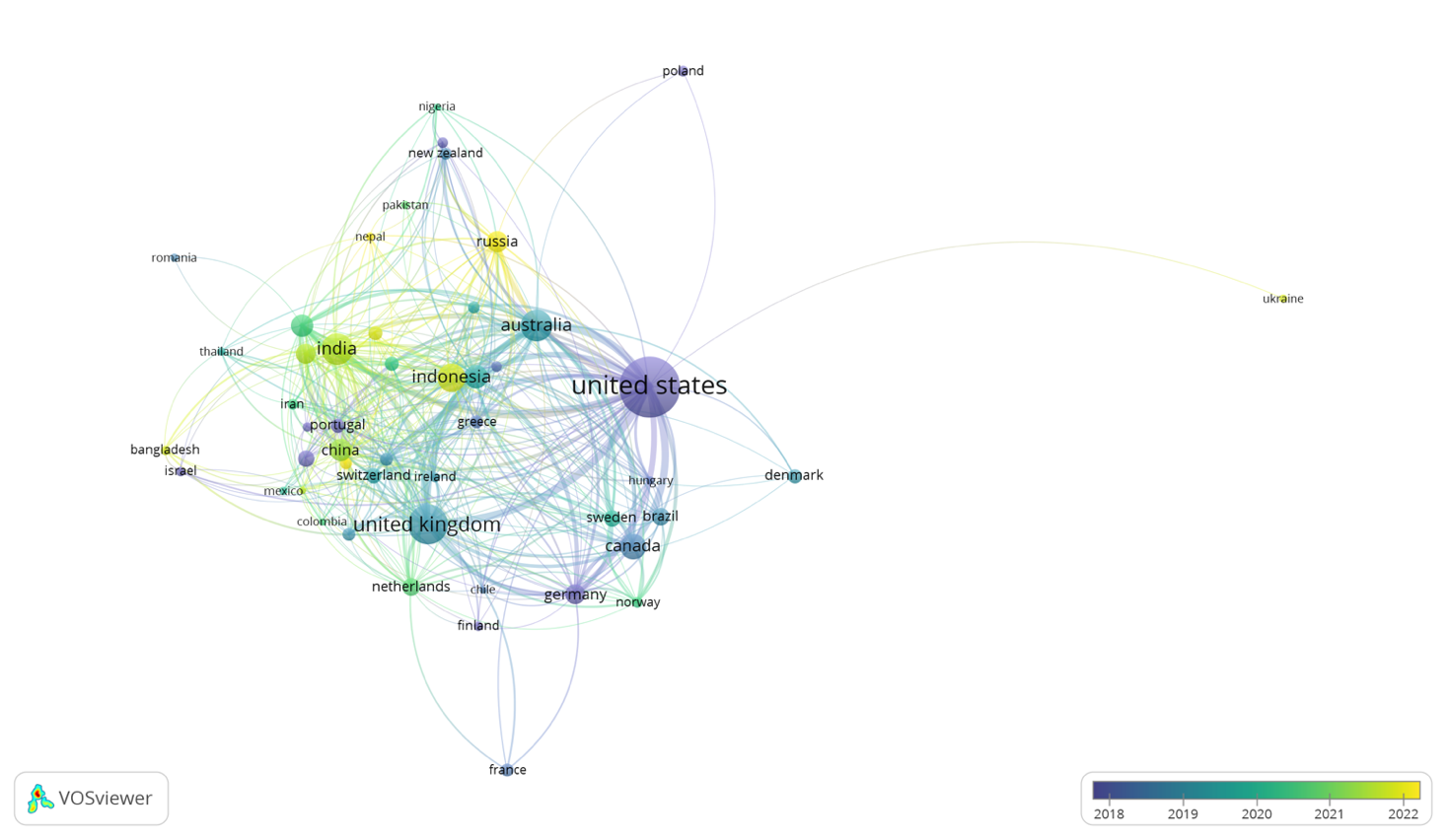
It must be mentioned that Western research clearly dominates, while countries in Asia and Africa remain largely underrepresented. This creates certain gaps in the study of cultural characteristics that shaping children's use of digital technologies.
Discussion
The bibliometric analysis we conducted allowed us to identify key trends in research on the psychological aspects of children's use of digital devices. Although the largest keyword clusters are associated with computer and medical sciences, the unifying cluster is the one focused on psychological and pedagogical research. The high representation of technological and medical research can be explained by the nature of the studied processes. On the one hand, medical and technological research operates with more unambiguous data; on the other hand, it may also reflect a response to obvious threats – namely, the massive transition to online activities across many fields and the impact of the pandemic. Psychological effects (changes in cognitive development, social skills, and emotional regulation) are less visible, delayed over time, and require more complex, longer-term studies to be identified. Furthermore, the impact of digital devices on a child's psyche is almost always mediated by multiple factors, including family socioeconomic status, parenting style, parental education level, content quality among others (Veraksa, Rodova, 2025; Smirnova, Klopotova, 2023; Taruntaev, 2023; Brauchli et al., 2024; Maeneja, Rato, Ferreira, 2025).
The psychological and pedagogical research cluster demonstrates high citation rates and growing integration with neuroscience. At the same time, the proportion of longitudinal studies remains small, which prevents reliable conclusions about long-term effects. This limitation is largely due to the resource intensity and complexity of organizing longitudinal research.
Research on the impact of digital devices on child development also appears in adjacent interdisciplinary clusters related to digital culture and the social aspects of digital technology use.
The identified thematic clusters and trends point to several interrelated approaches for studying the psychological aspects of children's use of digital devices: cognitive and affective consequences, social and environmental dimensions of digital socialization, and child vulnerability in the digital environment.
One of the remaining gaps in this field is the study of cultural differences in children's digital practices. The most cited works predominantly reflect the Western cultural context, which limits the identification of culturally specific factors shaping digital technology use and its impact on child development. An example of how cultural context influences children's digital practices and the development of 21st-century skills is provided by a study conducted in Cameroon (Ngyah-Etchutambe, 2025). This issue becomes particularly relevant in the context of the growing digital divide, where unequal access to technologies exacerbates global social and educational inequality among children (UNICEF, 2017). Access to technology is an important condition for the well-being of modern young people, which underscores the importance of digital equality (Soldatova, Chigarkova, Ilyukhina, 2025).
The results of our analysis are consistent with the conclusions of a methodologically similar 2024 study on the impact of the digital environment on children's cognitive functions and mental health. That study also notes the dominance of mental health research over the study of the cognitive sphere, a pronounced geographical imbalance in favor of developed countries, and methodological challenges associated with investigating the impact of the digital environment on children (Xiao et al., 2024).
Conclusion
Our study identified major trends in research on the psychological aspects of children's use of digital devices and highlighted promising directions for future work. The bibliometric approach we chose allowed us to determine established, quantitatively measurable trends. However, it did not fully capture still-emerging research areas. A significant proportion of medical and technological publications reflects the natural development of scientific research: first, the obvious, measurable, and socially significant aspects of a phenomenon are studied. Then, as data accumulate, attention shifts to the psychological consequences of children's use of digital technologies – a more complex phenomenon. The high citation rate of psychological and pedagogical research attests to both its relevance and its potential.
The gaps identified through our bibliometric analysis – namely, the lack of longitudinal research on how technologies affect child development and the scarcity of studies accounting for cultural differences in digital practices – allow us to propose several promising directions for future research:
- conducting longitudinal studies from preschool through adolescence to establish causal relationships between children's use of digital devices and technologies and their psychological outcomes;
- conducting comparative cross-cultural studies that include countries and regions underrepresented in current research;
- developing validated metrics and assessment tools to evaluate the psychological consequences of children's digital device and technology use at different developmental stages.
Limitations. Our analysis relied on quantitative metrics. We used only the open-access OpenAlex database, which may offer less comprehensive journal coverage than commercial alternatives. The study also has a methodological limitation related to the threshold values set for keyword occurrence and citation rates. While necessary to ensure the representativeness of the maps, this threshold led to the exclusion of some works: recent studies that had not yet accumulated the required number of citations due to the time factor, and niche studies with low mention frequency.